What Everyday Problems Can a Smartphone Solve?
A smartphone now acts as a personal assistant that fits in your pocket and works around the clock. It helps you pay for groceries, learn new skills, manage your home, and stay safe. Instead of jugglin...
17/06/2026
A smartphone now acts as a personal assistant that fits in your pocket and works around the clock. It helps you pay for groceries, learn new skills, manage your home, and stay safe. Instead of juggling cash, paper notes, and bulky devices, you can rely on one compact tool. People use smartphones to reduce stress, save time, and handle tasks that once felt overwhelming. From managing bills to checking on kids, the device keeps daily life organised. With the right apps and habits, a smartphone turns many everyday problems into simple, quick actions.

Solving Financial and Payment Problems
Making Secure Payments Without Carrying Cash
Smartphones let you leave your wallet at home while still paying securely. Mobile payment apps store encrypted card details and use tokenisation, so shops never see your real card number. Biometric security, like fingerprint or face unlock, adds another layer of protection before each payment. You can tap to pay at contactless terminals, scan QR codes at local markets, or send money instantly to friends. This reduces the risk of losing cash or exposing card details during everyday transactions.
Managing Banking, Bills, and Personal Finances More Conveniently
Banking apps put your accounts, cards, and loans in one place so you can check balances in seconds. You can schedule bill payments, track due dates, and receive alerts for unusual activity or low funds. Budgeting tools track spending categories and display clear charts that show where your money goes. Many apps round up purchases into savings or investments automatically. With everything on your phone, you avoid long queues, missed deadlines, and guesswork, making your financial life more organised and controlled.
Solving Information and Learning Challenges
Finding Answers, Research, and Educational Resources Within Seconds
A smartphone connects you to search engines, online encyclopedias, and expert forums in an instant. You can check facts, compare prices, read reviews, and research health or legal topics before making decisions. Translation apps break language barriers when you travel or read foreign websites. Many platforms offer short explainers, detailed articles, and videos for every subject. Instead of waiting to ask someone or visit a library, you pull out your phone and get reliable information whenever you need clarity.
Learning New Skills Through Mobile Learning Platforms and Digital Resources
Learning no longer depends on scheduled classes or heavy books. Education apps offer full courses in languages, coding, design, marketing, and more, all accessible from your phone. Video lessons, quizzes, and flashcards help you learn during short breaks or commutes. Some platforms provide certificates you can add to your resume or professional profile. You can follow step-by-step tutorials for cooking, DIY repairs, or fitness routines. With a smartphone, personal development becomes flexible, affordable, and easy to fit into daily life.
Solving Everyday Household and Lifestyle Problems
Managing Shopping Lists, Deliveries, and Household Tasks
Smartphones simplify running a household by keeping everything in one place. Shared shopping list apps sync between family members so no one forgets key items. Grocery delivery and pickup apps let you order essentials from your couch and track delivery timings in real time. Task management tools help assign chores, set reminders, and tick off completed work. You can also store warranties, manuals, and important household notes digitally. This reduces confusion, repeated store trips, and arguments about who should do what.
Controlling Smart Home Devices and Automating Daily Routines
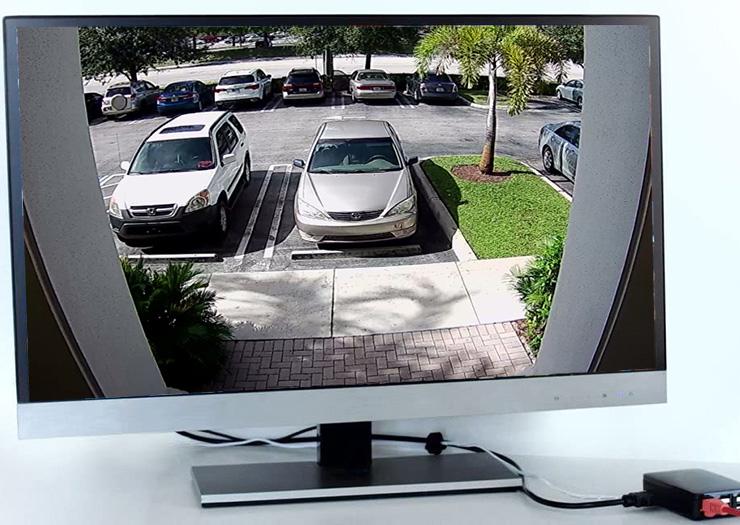
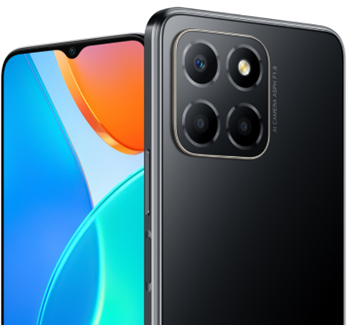
A smartphone can act as a remote control for your entire home. Smart lights, thermostats, plugs, and security cameras connect to apps that let you adjust settings from anywhere. With the HONOR Magic V6 fold phone, you can schedule lights to switch on at sunset, adjust heating before you arrive, or start a robot vacuum while at work. Voice assistants link to your phone for hands-free commands. Automation routines handle repetitive tasks automatically, saving energy and time while making your home feel more comfortable and secure.

Solving Safety and Emergency Situations
Accessing Emergency Contacts, Alerts, and Location Services Quickly
In urgent situations, a smartphone becomes a lifeline. Emergency call features work even from the lock screen, so you can reach services without delay. Many phones store medical information, such as allergies or conditions, for first responders to see. Location sharing lets trusted contacts track your route or find you if you get lost. Government and weather apps send real-time alerts about storms, accidents, or local hazards. These tools help you respond faster and stay informed during critical moments.
Using Smartphones for Personal Safety and Real-Time Assistance
Safety apps turn your phone into a personal guardian. Some let you trigger a silent alarm, record audio or video, and send your live location to chosen contacts. Ride-hailing and navigation apps provide driver details, route tracking, and support options if something feels wrong. Video calling allows you to stay visually connected with family when walking alone or travelling. With these features, you gain reassurance and quick access to help, especially during late nights, unfamiliar trips, or risky situations.
Conclusion
A smartphone solves far more than minor inconveniences; it tackles core daily challenges. You can manage money securely, learn almost anything, organise your home, and protect yourself with a single device. The key lies in choosing trusted apps, setting strong security, and using features thoughtfully rather than letting distractions take over. Treated as a tool, not a toy, a smartphone becomes a powerful ally that supports your goals, saves time, and reduces stress. As features continue to evolve, its role in solving everyday problems will only grow stronger.