
What Is In Vitro ADME and Why Does It Matter?
In vitro ADME refers to a group of laboratory tests used to predict how a drug behaves in the body before animal or human studies begin. ADME stands for absorption, distribution, metabolism, and excre...
14/08/2026
In vitro ADME refers to a group of laboratory tests used to predict how a drug behaves in the body before animal or human studies begin. ADME stands for absorption, distribution, metabolism, and excretion, the core processes that determine whether a compound can become a safe and effective medicine. These studies help researchers identify promising drug candidates, remove weak ones early, and guide chemical optimization with better data. By examining properties such as permeability, protein binding, metabolic stability, and transporter interactions, scientists can estimate exposure, dosing potential, and safety risks. In vitro ADME has become a standard part of drug discovery because it improves decision-making, reduces costly failures, and supports faster, more efficient development across small molecules and other therapeutic programs.

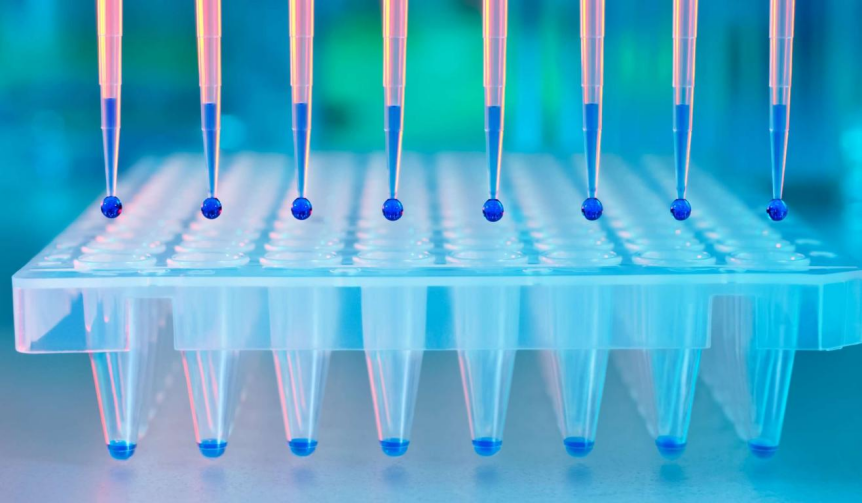
What Is In Vitro ADME and How Does It Work?
The Meaning of Absorption, Distribution, Metabolism, and Excretion
Absorption describes how a drug enters systemic circulation after administration, often influenced by solubility, permeability, and transporter activity. Distribution explains how the compound moves through blood and tissues and whether it binds strongly to plasma proteins or accumulates in certain organs. Metabolism covers the enzymatic breakdown of a drug, mainly in the liver, producing metabolites that may be active, inactive, or toxic. Excretion, often discussed alongside elimination, refers to how the parent drug and its metabolites leave the body through urine, bile, or other routes. In vitro ADME studies model each of these steps using controlled laboratory systems. Together, they show whether a compound is likely to reach the target site, remain stable long enough to act, and clear at an acceptable rate.
Key Laboratory Approaches Used in In Vitro ADME Testing
In vitro ADME testing uses several established assays to generate early pharmacokinetic insight. Permeability models, including cell-based barrier systems, estimate how well a compound may cross intestinal membranes. Solubility testing shows whether enough drug can dissolve for absorption. Plasma protein binding assays measure the unbound fraction available for activity or clearance. Metabolic stability studies in liver microsomes, hepatocytes, or S9 fractions assess how quickly enzymes break down the compound. Reaction phenotyping and drug-drug interaction assays help identify which enzymes or transporters are involved. Researchers also evaluate CYP inhibition, CYP induction, and transporter interactions to flag safety or exposure risks. These methods provide comparable, actionable data that support compound ranking, lead optimization, and selection of better candidates for the next development stage.
Why Does In Vitro ADME Matter for Drug Development?
Improving Drug Candidate Selection and Reducing Development Risks
In vitro ADME matters because many drug candidates fail due to poor pharmacokinetics rather than lack of biological activity. A compound may look potent in a screening assay yet fail if it is poorly absorbed, rapidly metabolized, highly bound, or unable to reach the target tissue. Early ADME profiling helps researchers identify these problems before significant time and budget are spent on formulation work, toxicology, or animal studies. It also enables smarter structure optimization by linking chemical changes to measurable improvements in solubility, stability, or permeability. As a result, teams can prioritize compounds with stronger developability profiles, reduce late-stage attrition, and build more reliable evidence for progression decisions. That efficiency is essential in both early discovery and preclinical planning.
Evaluating Drug Properties Before In Vivo Studies
Before in vivo studies begin, in vitro adme provides a practical way to evaluate key drug properties under controlled conditions. Researchers can test intrinsic clearance, membrane transport, enzyme liabilities, and protein binding with relatively small amounts of material, which is especially valuable in early discovery when supply is limited. These studies help estimate whether a compound is likely to have sufficient exposure, oral potential, or interaction risk in whole organisms. They also support dose selection strategies by revealing how quickly a molecule may be cleared or whether metabolites are likely to form. Because the work is standardized and scalable, teams can compare multiple candidates efficiently and make evidence-based decisions. This early insight improves study design and helps avoid advancing compounds with predictable pharmacokinetic weaknesses.
How In Vitro ADME Supports Modern Drug Discovery Strategies
Using ADME Data to Optimize Drug Absorption and Bioavailability
ADME data directly supports the optimization of absorption and bioavailability by showing why a molecule performs well or poorly in biological systems. If a compound has low solubility, chemists may adjust lipophilicity or salt form. If permeability is limited, they can refine polarity, molecular size, or transporter interactions. Metabolic stability results can guide structural changes that slow rapid clearance without reducing potency. Protein binding data can also clarify whether sufficient free drug reaches the target. Instead of relying on trial and error, discovery teams use these findings to make targeted improvements with a clear pharmacokinetic rationale. This integrated approach helps create compounds that not only bind the intended target but also achieve the exposure needed for meaningful therapeutic effect after administration.
Choosing the Right ADME Testing Services for Research Needs
Choosing the right ADME testing services starts with matching the study plan to the stage and goals of the program. Early screening may focus on high-throughput solubility, permeability, microsomal stability, and plasma protein binding assays to rank leads quickly. Later work often requires deeper metabolism, CYP interaction, hepatocyte stability, and transporter studies to support preclinical decisions. Strong ADME services should provide validated methods, clear data interpretation, and flexible study design based on compound class and research priorities. Turnaround time, sample requirements, species coverage, and scientific support also matter because they affect project speed and data relevance. When these capabilities are aligned with discovery goals, researchers gain dependable information that improves candidate selection, optimization strategy, and confidence before in vivo advancement.
Conclusion
In vitro ADME is a foundational part of modern drug development because it explains how a compound is likely to behave before costly in vivo work begins. By assessing absorption, distribution, metabolism, and excretion in controlled laboratory models, researchers can detect pharmacokinetic liabilities early and refine promising molecules with greater precision. These studies improve candidate selection, inform medicinal chemistry decisions, and support better planning for animal and preclinical research. They also help teams understand exposure, bioavailability, metabolic risk, and potential interactions with more confidence. For organizations aiming to develop safer and more effective therapies, in vitro ADME is not a secondary step. It is a practical, data-driven strategy that reduces uncertainty, strengthens development decisions, and helps move stronger drug candidates forward.