Why Are Smartphones the Center of Digital Life?
Smartphones sit in the middle of almost every digital choice people make each day. One device now handles calls, messages, news, banking, work, and entertainment. Users check the weather, book taxis,...
13/07/2026
Smartphones sit in the middle of almost every digital choice people make each day. One device now handles calls, messages, news, banking, work, and entertainment. Users check the weather, book taxis, watch videos, learn skills, and chat with friends in seconds. Brands design services around mobile screens because attention lives there. Apps replace many tools that once needed separate devices or in-person visits. For many people, the smartphone is the first and last screen they see daily. This constant presence turns it into a personal assistant, social hub, and remote control for the rest of digital life.
How Do Smartphones Connect Every Part of Modern Life?
Bringing Communication, Information, and Entertainment Into One Device
Phones once made calls. Smartphones now manage almost every form of digital contact. People send instant messages, join video calls, and share content on social platforms without switching devices. News apps and search tools deliver information in seconds, from global headlines to niche interests. Users watch films, stream music, listen to podcasts, and play games wherever they go. Cameras, GPS, and voice assistants add rich layers to everyday use. Instead of carrying separate devices for music, navigation, reading, and photos, people rely on one smartphone. This fusion of functions creates a single, always-available gateway to communication, information, and entertainment.
Creating Constant Access to People, Content, and Digital Services
Smartphones give people a direct link to friends, colleagues, and services at any time. Push notifications, messaging apps, and social feeds keep users updated around the clock. Email, collaboration tools, and cloud storage help people respond quickly and stay involved, even away from desks. Ride-hailing, food delivery, health tracking, and streaming platforms all sit behind a tap. Users rarely wait to reach important content or support when they can contact brands and businesses instantly through apps or chat. This constant access reshapes expectations. People grow used to immediate answers, on-demand services, and real-time connections, all managed from one small device.
Why Smartphones Have Become the Primary Hub for Daily Activities?
Managing Work, Learning, Shopping, and Financial Tasks Anywhere
Smartphones turn almost any place into a workspace, classroom, or store. People join video meetings, respond to clients, and approve documents while commuting or traveling. Learning platforms, language apps, and micro-courses help users gain new skills during short breaks. Mobile shopping apps and browsers let people compare prices, read reviews, and order products from home or on the go. Banking apps make it easy to send money, pay bills, and track spending without visiting branches. Even investments, insurance, and tax tools now offer mobile dashboards. Because smartphones handle so many key tasks, users treat them as portable control centers for daily life.
Supporting Productivity, Organization, and Everyday Decision-Making
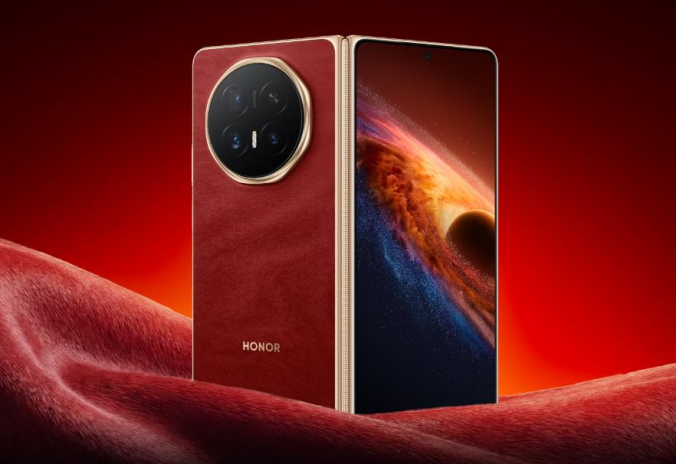
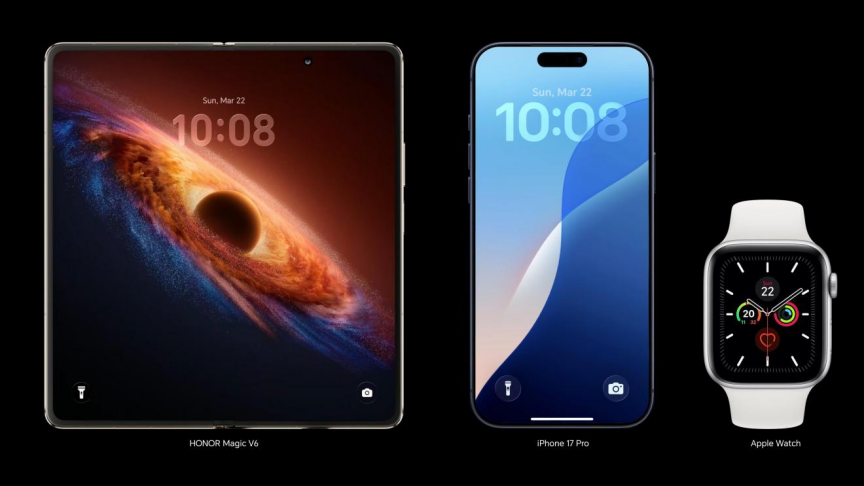
Smartphones help people plan, remember, and decide faster. Calendar apps, reminders, and to-do lists keep schedules clear and tasks visible. Note apps capture ideas, photos, and voice memos so users do not forget important details. Navigation tools suggest the best routes, while transit apps share live updates. Users of HONOR Magic V6 can compare local businesses, read ratings, and check maps before choosing a restaurant or service. Health and fitness apps track sleep, steps, and heart rate, guiding lifestyle choices. Search engines, price trackers, and review platforms reduce guesswork in daily decisions. By organizing information and tasks in one place, smartphones strengthen productivity and confident decision-making.
How Smartphones Shape the Future of Digital Living?
Connecting Smart Devices, Cloud Services, and Emerging Technologies
Smartphones increasingly act as remote controls for connected homes and devices. Users adjust lights, thermostats, and security cameras through a few taps or voice commands. Wearables sync with phones to track health data and notifications. Cloud storage lets people access photos, files, and media across devices without manual transfers. Smartphones also introduce users to emerging technologies like augmented reality, mobile payments, and digital IDs. Developers design apps that use sensors, cameras, and AI to blend the physical and digital worlds. As more devices and services connect through mobile apps, smartphones become the central command hub for future digital ecosystems.
Balancing Convenience, Connectivity, and Digital Well-Being
The power of smartphones brings both benefits and pressure. Constant alerts and social feeds can distract users and interrupt focus. People often feel the need to respond instantly, which can blur the lines between work and personal time. Many users now look for healthier habits, such as customizing notifications, using focus modes, and tracking screen time. Mindfulness, fitness, and sleep apps also support digital well-being. Parents rely on controls to guide children’s use. Designers and platforms increasingly consider healthy engagement patterns, not just more time on screen. The future of digital life depends on keeping smartphones useful while protecting mental and emotional balance.
Conclusion
Smartphones sit at the center of digital life because they combine communication, services, and entertainment in one portable device. People rely on them to work, learn, shop, manage money, and stay informed wherever they are. As more tools and smart devices connect through mobile apps, this central role grows even stronger. At the same time, users must manage attention and screen time to stay healthy. When people set clear limits and choose helpful apps, smartphones act as powerful allies rather than sources of stress. Used wisely, they will keep shaping a more connected, flexible, and efficient digital future.