Are High-Refresh-Rate Smartphone Displays Worth It?
High-refresh-rate smartphone screens have moved from niche gaming phones to mainstream flagships and even mid-range models. You now see 90Hz, 120Hz, and even 144Hz displays promoted as must-have featu...
17/06/2026
High-refresh-rate smartphone screens have moved from niche gaming phones to mainstream flagships and even mid-range models. You now see 90Hz, 120Hz, and even 144Hz displays promoted as must-have features. These numbers promise smoother motion, more responsive touch, and a premium feel compared to traditional 60Hz panels. Many buyers, though, still wonder if these screens deliver real-world benefits or just marketing hype. The answer depends on how you use your phone, what you value most, and which trade-offs you accept, especially around battery life and price. This guide breaks down the key advantages, limits, and best use cases to help you decide.
The Benefits of High-Refresh-Rate Smartphone Displays
Smoother Scrolling and Faster Touch Response
A higher refresh rate means the display updates more times per second. A 120Hz screen refreshes twice as often as a 60Hz screen. You notice this when you scroll through social feeds, browse websites, or swipe between home screens. Text appears more stable, animations look fluid, and small UI elements feel easier to track with your eyes. Many phones pair higher refresh rates with faster touch sampling, so the screen registers taps and swipes more quickly. That combination makes interactions feel snappier and more precise, especially during fast gestures. Once you get used to this smooth, responsive feel, going back can seem jarring.
Better Gaming Performance and Motion Clarity
Mobile games that support higher frame rates shine on high-refresh-rate panels. When the game engine pushes 90 or 120 frames per second, each frame can match a display refresh. You then see smoother animation, cleaner camera pans, and reduced motion blur during quick turns or action scenes. Competitive players gain another useful benefit: lower perceived input lag. The screen shows your actions sooner, which can help with timing in shooters, racers, and fighting games. Not every title supports high frame rates, and performance depends on the phone’s chipset and cooling. But for supported games, a fast screen directly improves gameplay feel and clarity.
Improved Video Viewing and Everyday User Experience
Most movies and shows still target 24 to 60 frames per second, so you do not always see a direct frame-for-frame gain from higher refresh rates while streaming. However, many phones use variable or adaptive refresh modes. The display can ramp down for static scenes and ramp up for interface overlays and navigation. This makes menus, volume sliders, and picture-in-picture windows appear smoother while you watch. Outside media, high-refresh panels lift the overall user experience. Multitasking feels more fluid, keyboard pop-ups look cleaner, and system animations seem more polished. Even tasks as simple as opening the app drawer or flicking between chats feel more refined.
Are High-Refresh-Rate Displays Worth the Upgrade?
How Refresh Rate Affects Battery Life and Efficiency
Higher refresh rates draw more power because the display updates more often and the graphics processor works harder. A 120Hz mode can reduce battery life compared with 60Hz, especially during scrolling, gaming, and heavy app use. To manage this, many phones offer adaptive refresh. The screen can drop to a lower rate for static content, ebooks, or always-on displays, then jump up for touch interactions. Modern LTPO OLED panels handle these shifts more efficiently than older tech. When tuned well, adaptive modes narrow the battery gap. Still, if you prioritize long endurance above all, a locked 60Hz mode or lower refresh option often saves more power.
Who Benefits Most From High-Refresh-Rate Screens
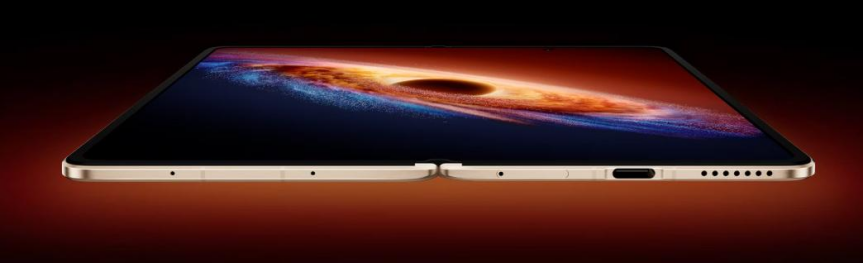
Power users and gamers gain the clearest benefits. If you play competitive titles like shooters, MOBAs, or racers that support high frame rates, a fast display can improve responsiveness and visual tracking. Users of devices like HONOR Magic V6 who scroll through long documents, timelines, or feeds also feel the difference every day. People sensitive to motion or jitter often appreciate the smoother UI. On the other hand, light users who mainly text, call, and watch casual videos may not notice a big improvement. For them, a brighter display, stronger speakers, or a better camera might matter more. The value of a high-refresh screen rises with how actively and intensely you use your phone.
Key Factors to Compare Beyond Refresh Rate
Refresh rate alone does not define display quality. When you compare phones, look at resolution, panel type, brightness, and color accuracy as well. A sharp 60Hz OLED with high peak brightness and good HDR can look better than a dim, low-resolution 120Hz LCD. Consider touch sampling rate, too, since it affects how quickly the screen registers input. Check whether the phone supports adaptive refresh and how granular those steps are. Also, weigh processor strength, thermal design, and battery capacity, because they shape real-world performance at higher frame rates. Finally, think about price: sometimes a cheaper model with 90Hz offers a better balance than a costly 120Hz flagship.
Conclusion
High-refresh-rate smartphone displays bring clear, visible benefits, especially for fast scrolling and supported games. They make phones feel more responsive and modern, and many users quickly grow to prefer the added smoothness. However, the upgrade is not essential for everyone. You trade some battery life and often pay more, and many videos and basic apps do not fully use the extra frames. When choosing a phone, treat refresh rate as one important factor, not the only one. Balance it against display quality, performance, camera, and budget. If you value fluid interaction, a high-refresh-rate screen is usually worth serious consideration.